Preventing manufacturing rejection
Dust is fine particles of solid matter. It can consist of a wide range of materials, from pollution to human and animal cells, textile and paper fibers, etc. Dust can accumulate within a production area and become a health hazard. This is especially true for people with a weakened immune system. Other sources of dust and aerosols are condensing vapors from the production process itself. The accumulation of dust and aerosols in the production area may cause manufacturing QC problems. This leads to manufacturing rejection within high-end production processes when it persists.
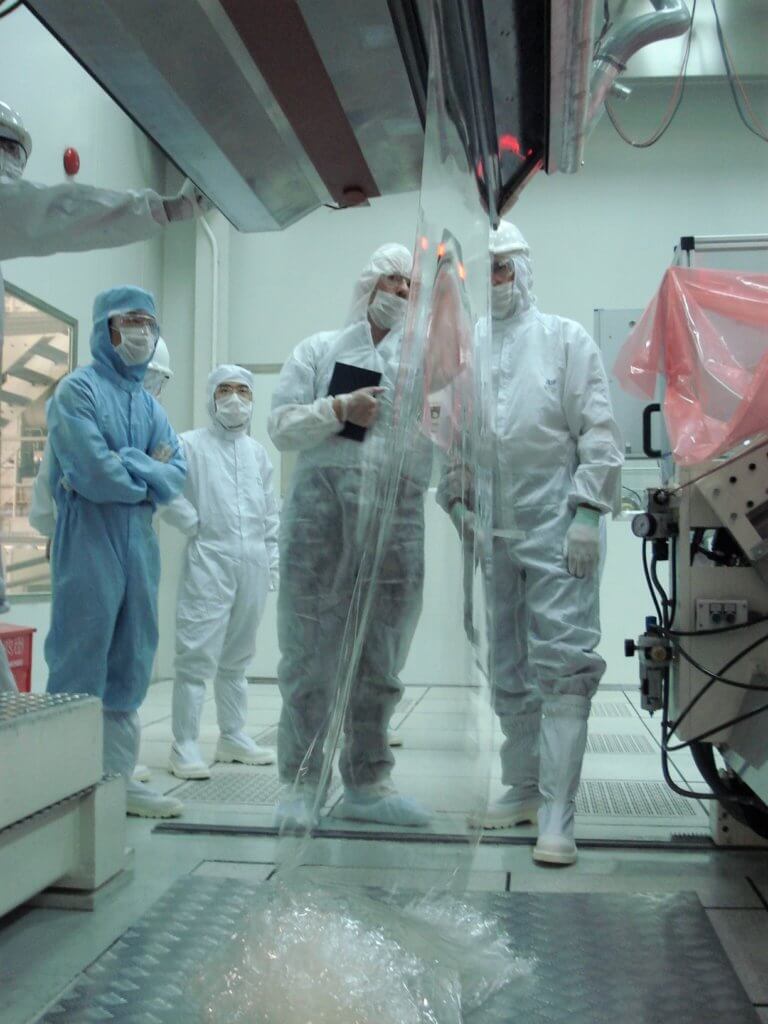
Medical and optical plastics manufacturing calls for a clean working environment (clean rooms). These types of high-end plastics are applied in many different products, ranging from medical devices such as artificial veins to optical-grade products such as TV screens, computer monitors, and car dashboards. In all these applications the combination of thermal air flow (e.g. from an extruder) and the stringent cleanliness requirements (sterility assurance) are the challenge to be dealt with. In addition, medical device manufacturers must comply with the Food and Drug Administration (FDA) requirements. The manufacturing process should maintain procedures to adequately minimize the airborne dust volume (by particulate counts) in the working environment. This is the only way to prevent manufacturing rejection.
Innovative solutions to replace expensive cleanrooms
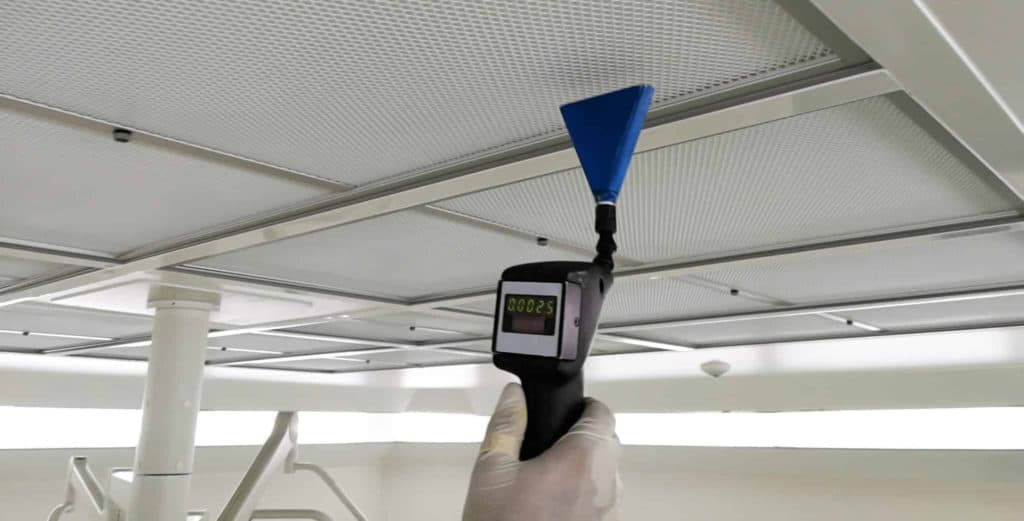
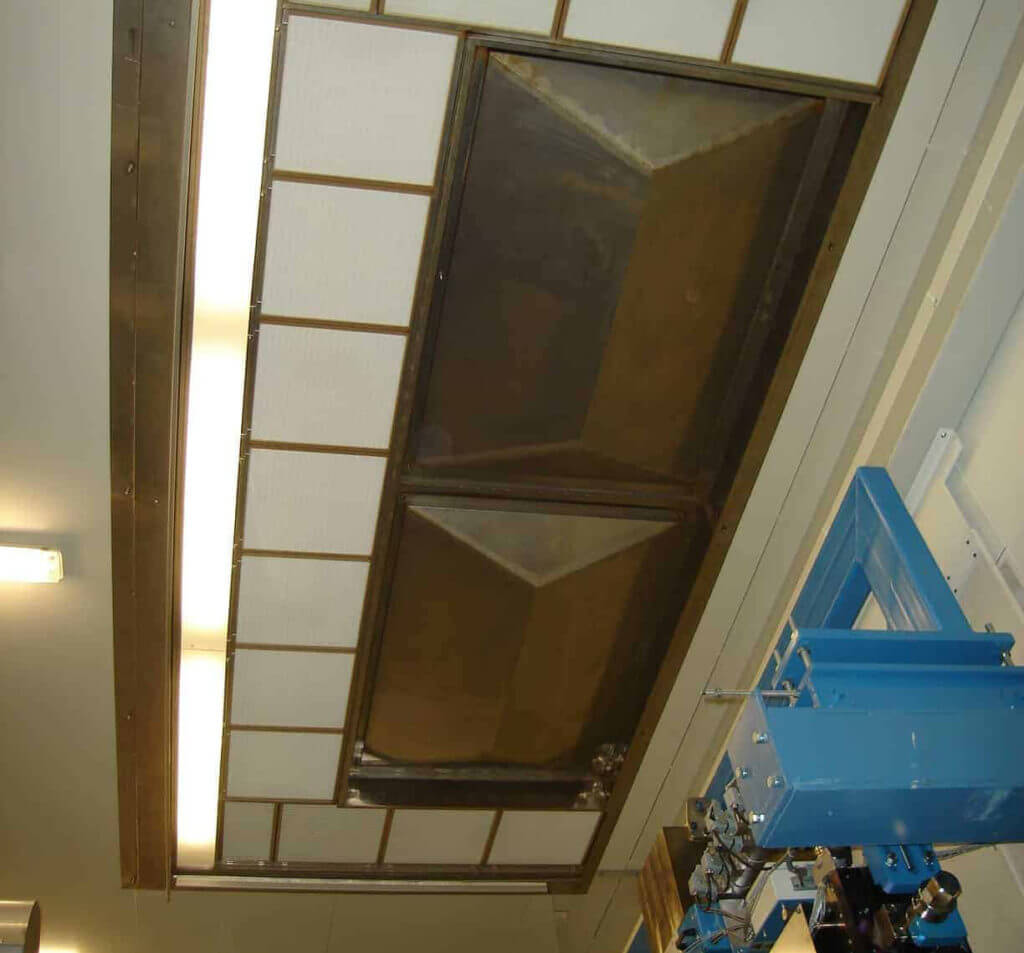
Compared to traditional cleanroom environments, JOA develops micro-climates to operate in the presence of a “thermal engine” (high-temperature equipment such as extruder lines). A combination of direct source elimination, for example limiting the fumes produced and replacing the source in a balanced manner with absolute filtered air, provides the working area with controlled air quality. Micro-climates deliver product cleanliness and reduce surface defects of optical grade products, meeting ISO clean room class 6/7 performance during operation.