Industry

Materials


01

Why Tailored Emission Control Matters in Material Industry

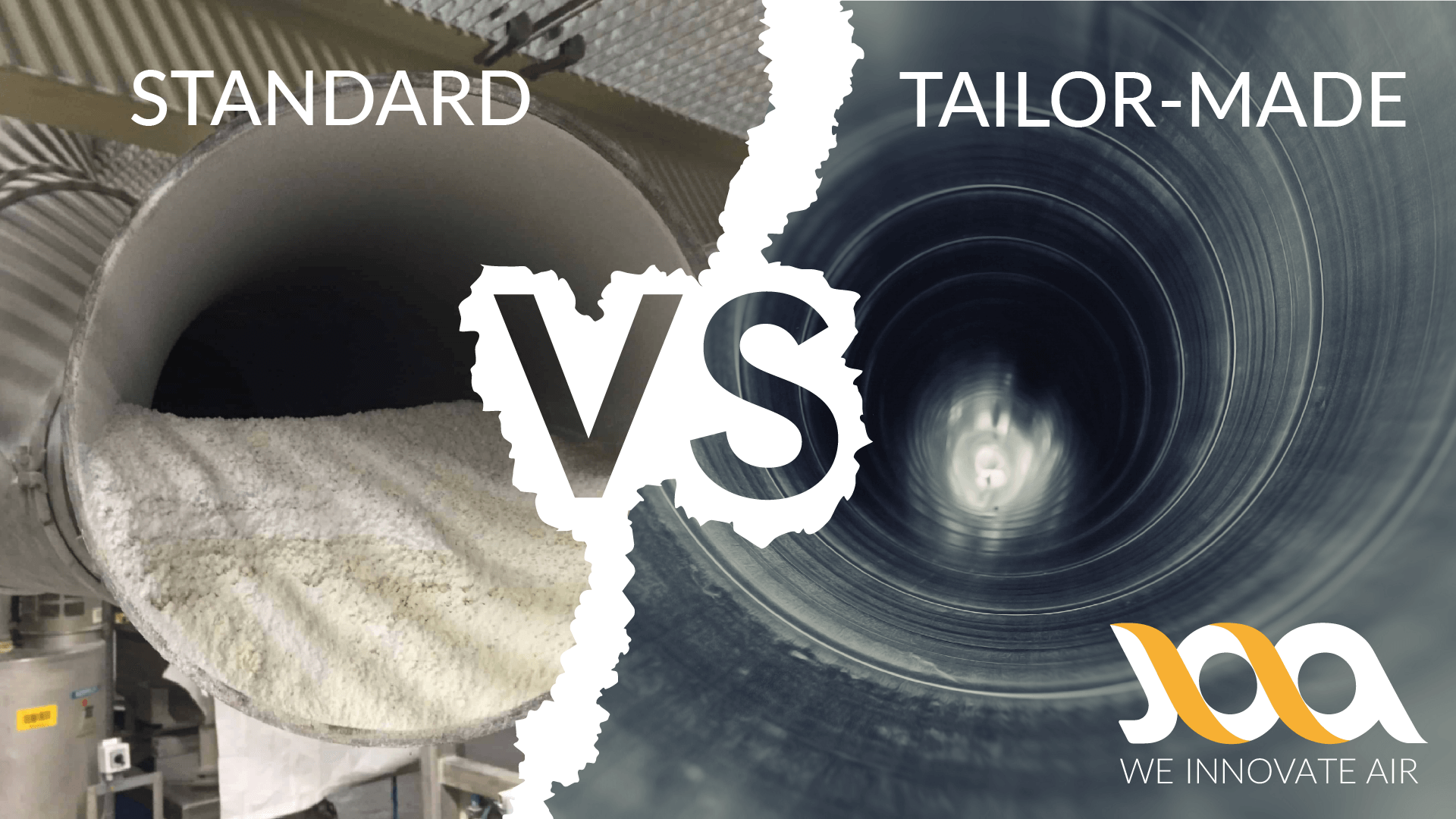
In materials manufacturing, variable dust types, adhesive fumes and constant process changes overwhelm off‑the‑shelf extraction systems: leading to clogged filters, uneven airflow, compliance risks and operator safety issues. JOA uses on-site measurements and Air Technical Modeling to tailor both source capture and system balance. This approach prevents fouling and downtime, and delivers ATEX‑compliant, emission‑safe solutions right the first time.

Through data-driven design, thorough implementation and continuous optimization, we ensure your investment delivers lasting gains in:

Safe & Healthy Work Environment

Compliance with latest Legislation

Process Efficiency

Enhanced Product Yield

Waste Heat Recovery

02

Main challenges in the Materials Industry

Material Manufacturing like glass, ceramics, roofing material, insulation, steel and alloys operations face deeply interlinked technical and regulatory challenges that standard equipment alone cannot resolve. Key complexities include:

Fine Dust Emissions: High-temperature and mechanical processes generate hazardous, respirable particulates from both diffuse and point sources, requiring stringent, complex control measures to protect health, ensure compliance, and maintain process efficiency

Operator Health & Safety: Inadequate exhaust ventilation and failure to enclose high-risk areas means operators are exposed to airborne pollutants. Open production environments see emission build-up and regular complaints from staff.

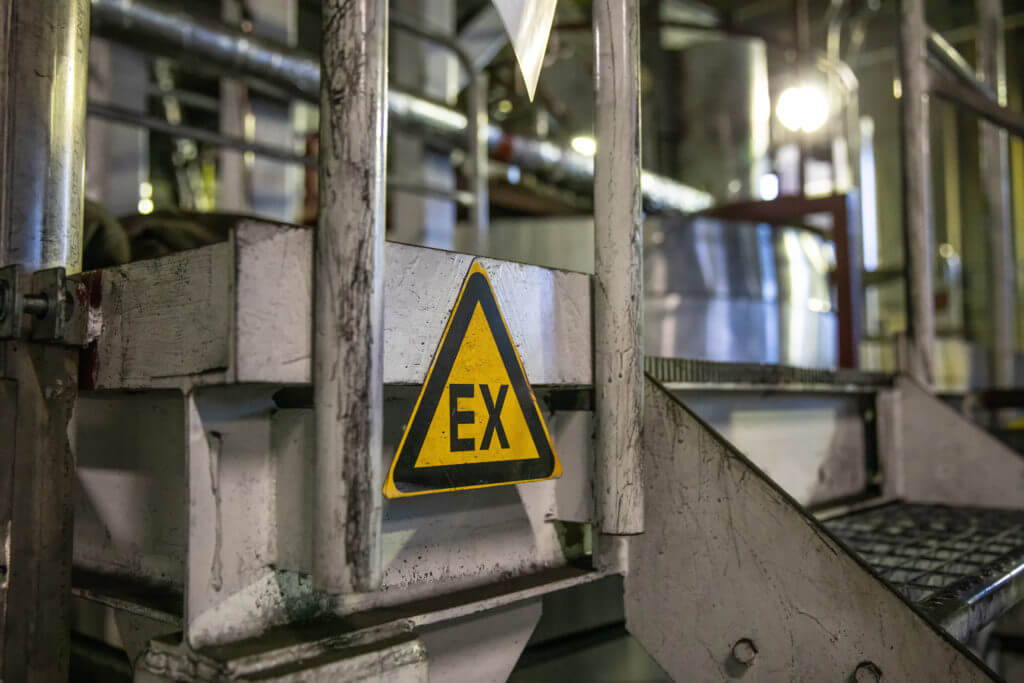
Explosion Safety and ATEX Compliance: Fine dust, high temperatures, and mechanical processes create constant ignition risks. Legacy equipment and complex layouts make zoning and compliance demanding, while maintaining safety without disrupting production is a continuous challenge.

Heat Recovery Potential: Waste heat recovery in materials industries is difficult because exhaust streams are hot, dirty, and corrosive, while inconsistent production and strict safety regulations make technical solutions costly and complex to implement.

The processes we commonly see when these challenges occur are:

Raw material storage and handling

Thermal treatment processes

Forming, molding, or shaping

Surface treatment and coatings

Crushing, Grinding, Milling, Blending

Curing or setting

Cutting, sizing, trimming, polishing, finishing

Packaging

During materials manufacturing, a wide variety of airborne contaminants are generated, each creating specific process, product quality, and safety challenges. These can include fine mineral or metallic dusts, fibrous particulates, sticky or condensable process vapors, and a range of volatile organic or inorganic compounds emitted during high-temperature operations, melting, sintering, casting, or surface treatments. Below are some of the typical substances encountered in the materials industry:

AluminumGalvanized Materials
Oil and other Petrochemical MaterialsRoofing Materials
Building MaterialsGlass and Silica
Packaging & ContainersRubber & EPDM
CeramicsGlue and other Adhesives
Paper, Pulp and CardboardSteel and Iron
ElastomersInsulation
Plastics, like PVC, Composites and PETTextiles
FibersMaterials for the Automotive Industry
PolymersWood & Furniture
FoilsMinerals
PTFE (PolyTetraFluoroEthylene)
03

Case Study Materials Industry

Cleanroom (MicroClimate) with Machinery behind it

Improved Product Quality Through MicroClimate™ Cleanroom

Discover how JOA Air Solutions helped a leading Western European materials manufacturer conquer extrusion‐line contamination with a dedicated MicroClimate™ cleanroom; by deploying targeted extraction hoods, HEPA-filtered air supply units and CFD-optimized airflow balancing, which cut batch rejections by 55% and elevated ISO classification with a full ROI in four years.

Read more about the project here
04

How does JOA solve Challenges in the Materials Industry

Efficient material production demands consistent performance, uptime, and process safety. Reliable extraction of dust, fumes, and heat is essential; not just to protect equipment and maintain product quality, but also to ensure worker safety, prevent dust explosions, and reduce unplanned downtime. Here’s how our proven process supports the complex demands of the material production industry:

Data Collection & Measurements: With a pre-engineering study, we quantify real-world conditions by conducting on-site measurements at key emission sources, such as: raw material infeed, melting or furnaces, forming/fiberizing stations, grinding, cutting and material transfer points. These measurements capture actual dust and fiber loads, heat , ATEX risks, and fouling potential, forming a reliable data foundation for designing robust emission control and extraction solutions.

Consultancy & Design: Leveraging JOA’s Air Technical Modeling (GCM™), we simulate facility airflow, thermal, and particulate dynamics to visualize flow patterns, identify fouling and high-risk zones, and engineer optimized extraction solutions with ATEX-compliant, corrosion-resistant materials specifically suited for the demanding environments of ceramics, glass, insulation, steel, and alloy production.

Building & Implementation: System realization uses precision-fabricated assemblies tested via factory acceptance testing (FAT) to ensure performance and minimize on-site installation time, with implementation coordinated alongside plant operations and maintenance to reduce downtime, while experienced project managers oversee the process from installation to commissioning for a seamless, safe, and compliant startup in demanding material industry environments.

05

Why JOA is the Right Partner for the Materials Industry

By partnering with JOA, material manufacturers achieve industry-leading control over airborne dust, fibers, and emissions; ensuring safer working conditions, minimizing operational risks such as dust explosions and equipment fouling, and safeguarding product quality throughout every stage of production.

Tailor-made Solutions

Developing customized systems that address the unique challenges of each client.  

Air Technical Modeling & CFD Analysis

Utilizing advanced computational methods to design efficient emission control systems.

Process Guarantees

Ensuring that implemented solutions meet performance expectations and regulatory requirements.  

Extensive Experience

A proven track-record of working with leading companies on complex industrial processes.    

In conclusion, effective emission control and dust collection are integral to the success of material manufacturing. JOA’s expertise in providing tailored solutions ensures that companies can maintain clean and efficient operations, meeting the stringent demands of the industry.   

Contact us

Share your challenge

Plan a short 30 minute meeting with one of our engineers who have experience with manufacturers worldwide, and start improving your industrial process.

Share details about your challenges

We will review your challenge and plan a meeting

Discuss what is happening at your site

Frequently Asked Questions

Materials Industry FAQ

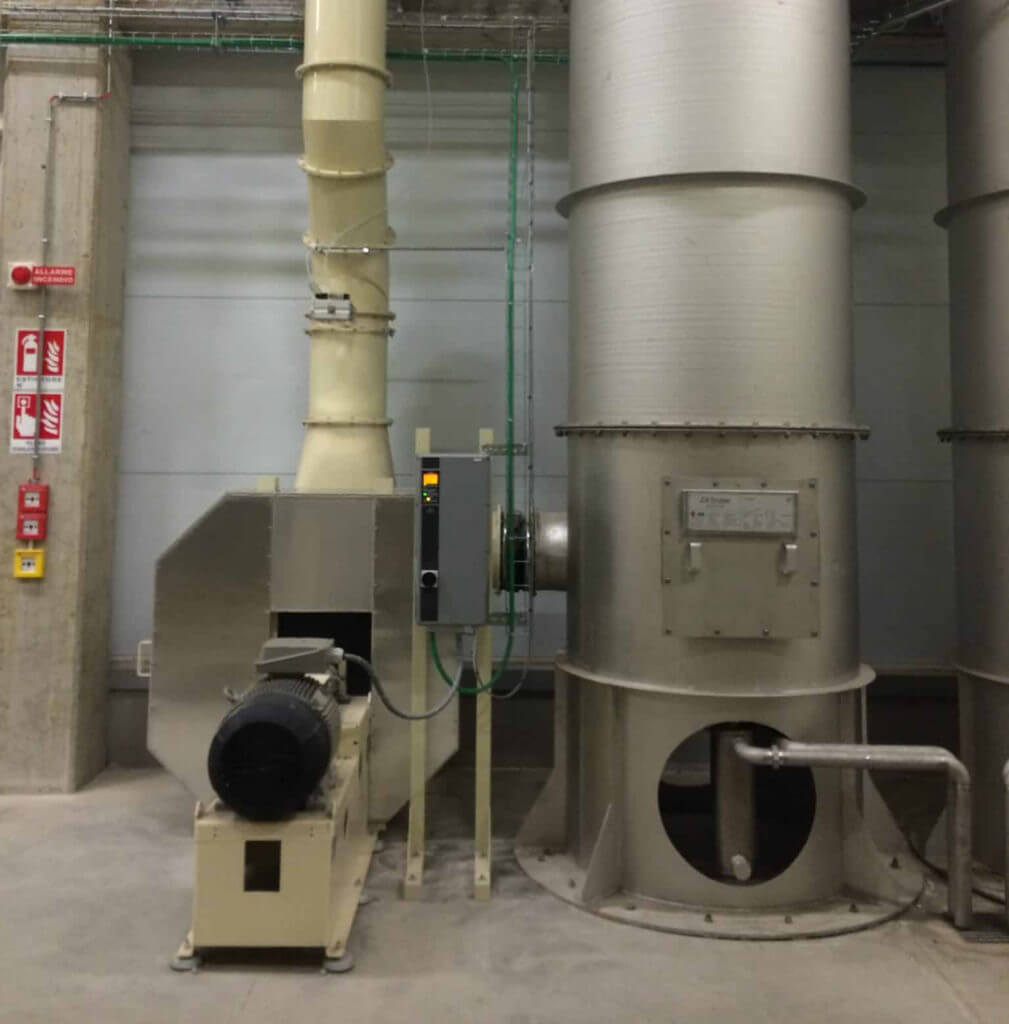
JOA solutions are engineered to tackle challenging dust, fiber, and vapor loads encountered in ceramics, glass, insulation, steel, and alloy operations; using application-specific hoods, ATEX-rated and high-temperature filters, and robust ductwork designed to prevent buildup from sticky residues, sharp abrasives, or fibrous materials. Advanced air technical modeling ensures proper conveying velocities, while equipment is selected for reliable removal of everything from mineral dust to metal fumes. Complete ATEX compliance is built in: zoning, earthing, and explosion relief features mitigate all relevant risks.

JOA systems are designed for the wide variety of dusts and offgasses typical of mineral, metallic, and refractory manufacturing: including quartz, alumina, silica, clays, glass fibers, metal oxides/fumes, binder vapors, organic agents, acid gases, and residual combustion products. System design considers particle size/distribution, chemical reactivity, and temperature to prevent filter blinding, corrosion, or hazardous accumulations; ensuring uptime and regulatory compliance, even with aggressive, adhesive, or corrosive contaminants.

JOA systems can be factory-assembled and FAT-tested (Factory Acceptance Test) to validate critical functions and safety features before delivery. Installation is phased and planned in close coordination with plant operations, leveraging modular construction and pre-tested tie-in strategies—often scheduled to coincide with outages or turnaround windows. Temporary dust or vapor extraction is available to keep production moving, and full commissioning/validation is carried out to meet performance guarantees before handover.

Yes, JOA systems are fully modular and scalable, featuring adjustable restrictors, adaptable ductwork, and “smart” control capability to accommodate new processes, emission points, or capacity increases. Extraction, filtration, or ventilation modules can be reconfigured or expanded for plant extensions and regulatory revisions, usually with minimal interruption and without major rebuilds.

Maintenance intervals depend on dust/fume loading and process type, but JOA systems are engineered for long service intervals, typically ranging from 6 to 12 months. Filter replacement and duct cleaning is thoughfully considered, with options like automated belt filters or easy-access service hatches designed in. Differential pressure sensors, condition monitoring, and automated alerts help your team anticipate cleaning cycles and reduce unexpected downtime.

Related Systems