Why Tailored Emission Control Matters in Plastic Manufacturing
In plastic manufacturing, variable dust types, adhesive fumes and constant process changes overwhelm off‑the‑shelf extraction systems: leading to clogged filters, uneven airflow, compliance risks and operator safety issues. JOA uses real‑life measurements and Air Technical Modeling to tailor both source capture and system balance. This approach prevents fouling and downtime, and delivers ATEX‑compliant, emission‑safe solutions right the first time.
Through data-driven design, thorough implementation and continuous optimization, we ensure your investment delivers lasting gains in:
Safe & Healthy Work Environment
Compliance with latest Legislation
Process Efficiency
Enhanced Product Yield
Waste Heat Recovery
Main challenges in the Plastic Industry
Plastic Manufacturing operations face deeply interlinked technical and regulatory challenges that standard equipment alone cannot resolve. Key complexities include:
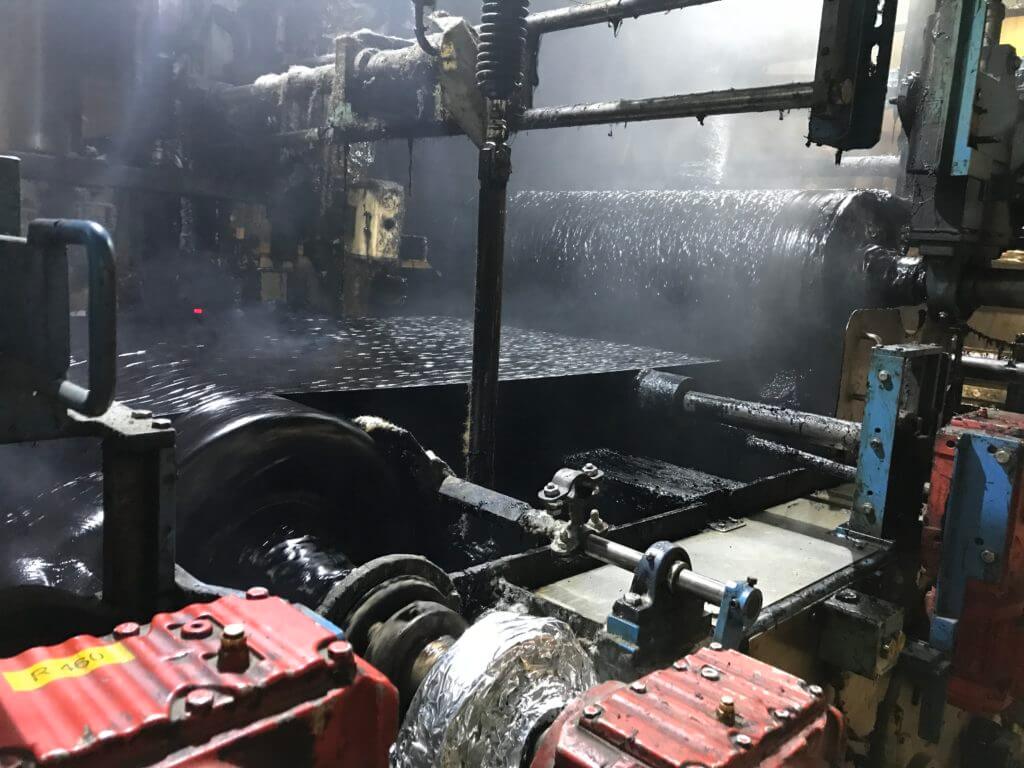
Dust and Product Fouling: Frequent clogging of extraction ducts and headers due to heavy dust loads, abrasive products, or sticky vapors (e.g., bitumen, plasticizers). This leads to overpressure, poor extraction, backflow of fumes, and required frequent manual interventions. Fouling also increases wear on ductwork, bends, and filter components, reducing operational reliability and increasing maintenance requirements.
Rapid Filter Degradation: Filters can become rapidly loaded with fine, adhesive dust that cannot be sufficiently released during cleaning cycles, resulting in quickly rising pressure drops, capacity loss, reduced effectiveness, and frequent shutdowns for filter changes or cleaning.
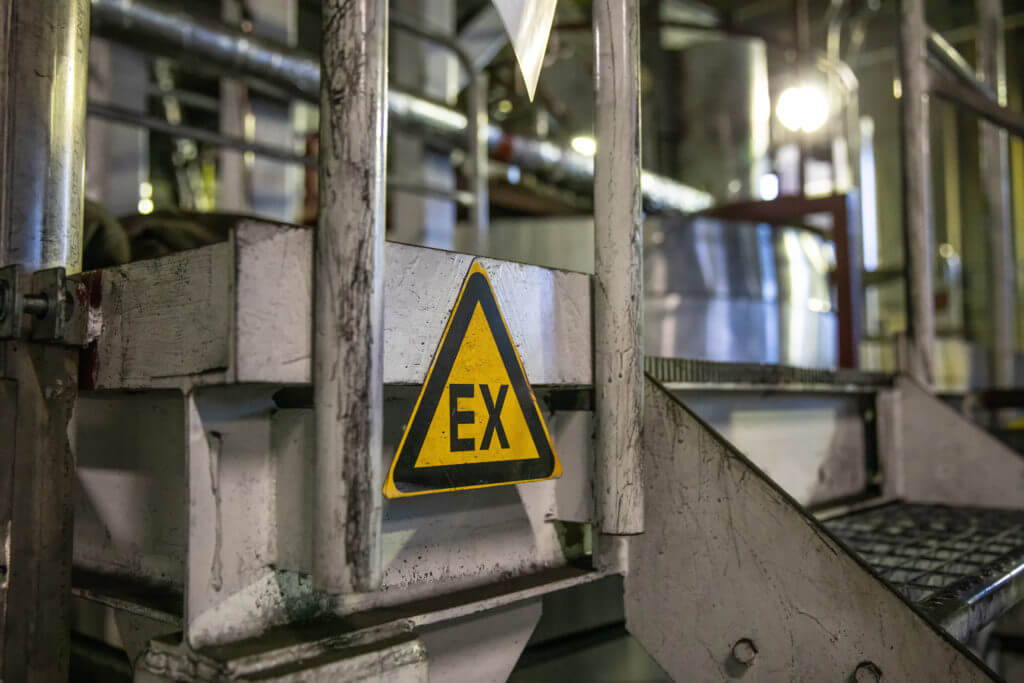
Explosion Safety and ATEX Compliance: Plastic dust is often combustible, with low minimum ignition energy (MIE). Absence of proper earthing, explosion isolation, pressure relief, and duct velocities below minimum transport speed results in dust accumulation and significant explosion risks. Lack of explosion valves or diverters increases risk of both primary and secondary explosions.
Operator Health & Safety: Inadequate exhaust ventilation and failure to enclose high-risk areas means operators are exposed to airborne pollutants. Open production environments see emission build-up and regular complaints from staff.
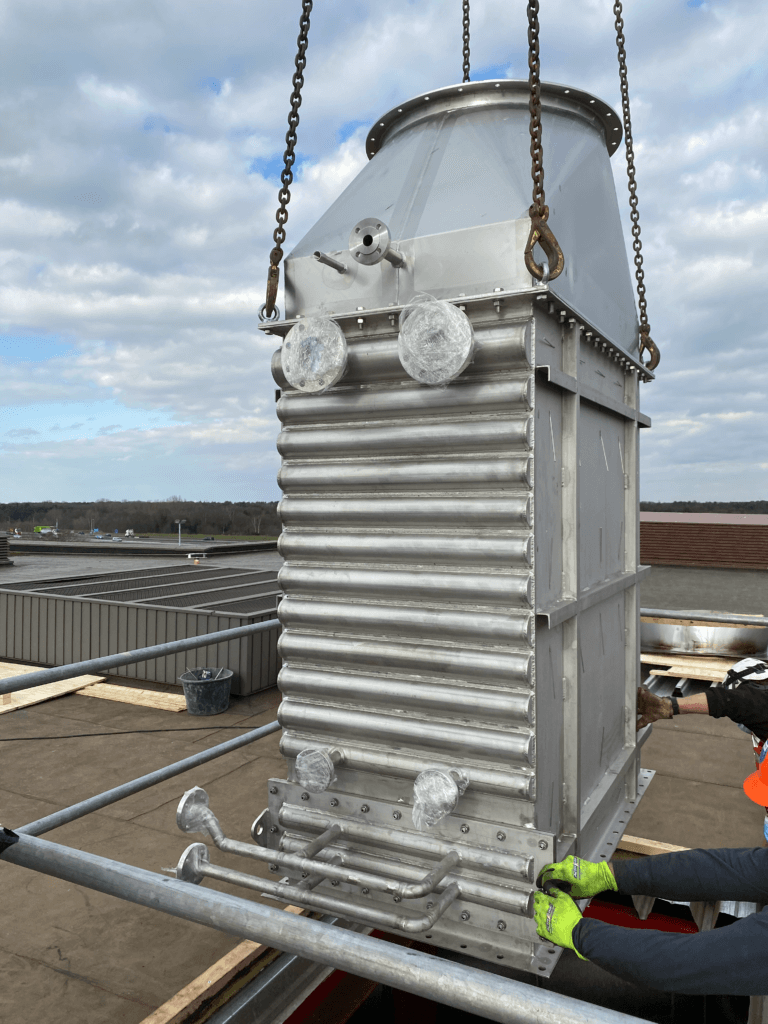
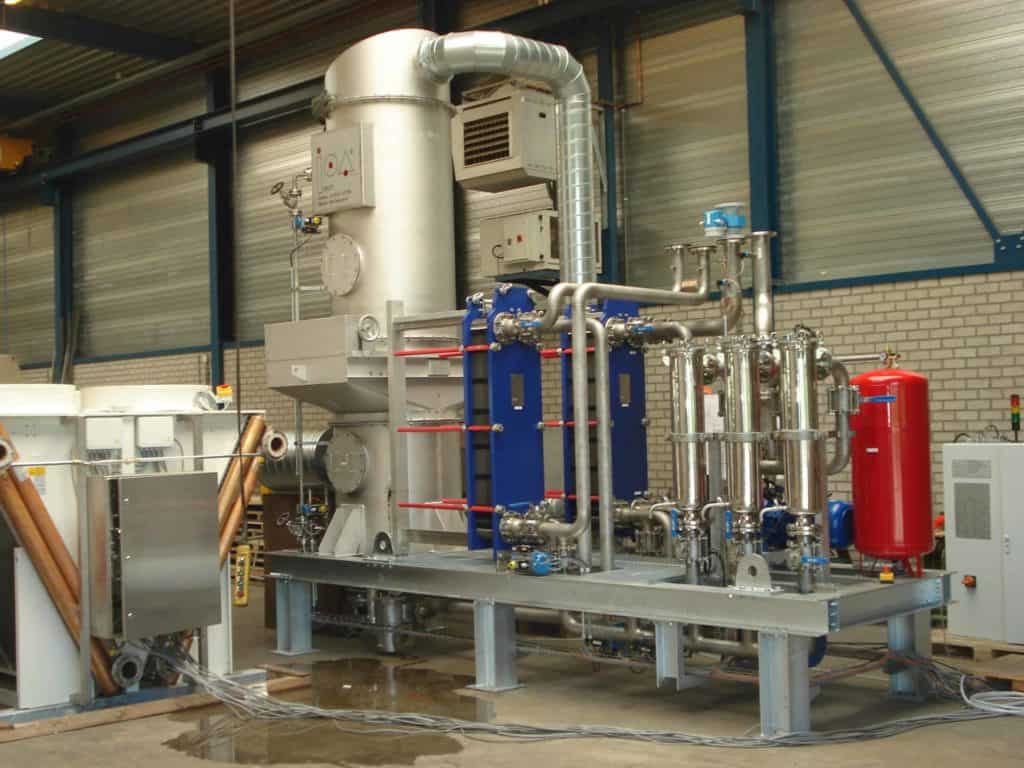
Challenges with Heat Recovery and Scrubber Operation: Heat recovery systems and scrubbers often become bottlenecks due to sticky, fouling vapors or fine dust combinations. Which makes heat recovery solutions very complex.
The processes we commonly see when these challenges occur are:
Mixing raw materials or bulk goods
Conveying and Transport of Bulk Powders
Weighing and Filling Operations (Hoppers)
High-temperature die head/strand cooling
Central Vacuum Cleaning & Housekeeping
Packaging & Bagging
Extrusion Lines (Compounding & Pelletizing)
During plastics manufacturing, a diverse range of airborne contaminants are generated—each presenting unique process and safety challenges. These include fine polymer dusts (often abrasive or combustible), fibrous or mineral-reinforced particulates and sticky plasticizer vapors, as well as odorous or hazardous volatiles released during compounding and extrusion. Below are some of the typical substances and contaminants encountered in the plastics industry:
| Acrylonitrile Butadiene Styrene (ABS) | Chlorinated Polyethylene (CPE) |
| Composites | Ethylene Vinyl Acetate (EVA) |
| Ethylene Vinyl Alcohol (EVOH) | Films |
| Granulate | Microplastics |
| Molded Compounds | Polyamide (PA) |
| Polybutylene Terephthalate (PBT) | Polycarbonate (PC) |
| Polyethylene (PE) | Polyethylene Terephthalate (PET) |
| Polylactic Acid (PLA) | Polymethyl Methacrylate (PMMA) |
| Polyoxymethylene (POM) | Polypropylene (PP) |
| Polystyrene (PS) | Polytetrafluoroethylene (PTFE) |
| Polyurethane (PUR) | Polyvinyl Chloride (PVC) |
| Polyvinylidene Fluoride (PVDF) | Styrene Acrylonitrile copolymer (SAN) |
| Thermoplastic and Thermoset resins | |
Case Study Plastic Industry

Improved Product Quality Through MicroClimate™ Cleanroom
Discover how JOA Air Solutions helped a leading Western European materials manufacturer conquer extrusion‐line contamination with a dedicated MicroClimate™ cleanroom; by deploying targeted extraction hoods, HEPA-filtered air supply units and CFD-optimized airflow balancing, which cut batch rejections by 55% and elevated ISO classification with a full ROI in four years.
How does JOA solve Challenges in the Plastics Industry
Efficient food production demands consistent performance, reliability, and process safety. High-quality air, dust, and vapor extraction is essential. Not just to protect sensitive ingredients and end-products from contamination, but also to maintain a: healthy workplace, prevent dust explosions, and safeguard equipment integrity. Here’s how our proven process is tailored for the unique needs of the food industry:
Data Collection & Measurements: During a pre-engineering study, we quantify real conditions through on-site measurements at critical points—feeders, extruders, vent hoods, pelletizers, bagging stations. This captures actual emission loads, ATEX risks, and fouling potential, providing the data foundation for optimized system design.
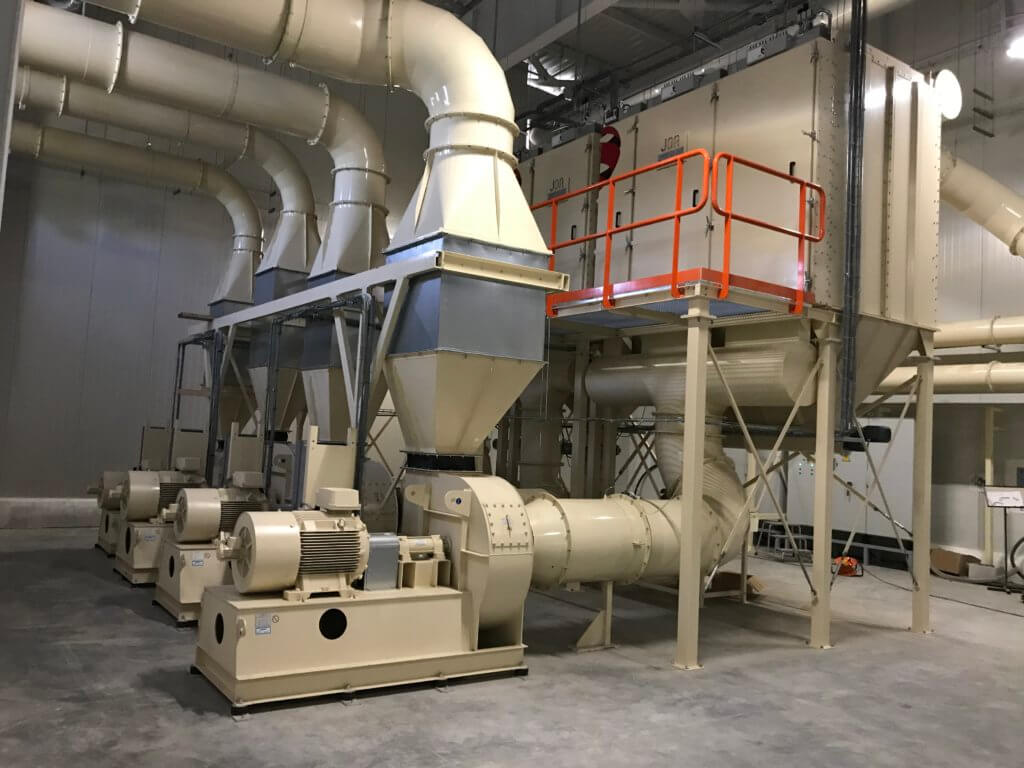
Consultancy & Design: Using JOA’s Air Technical Modeling (GCM™), we visualize airflow patterns, identify fouling points, and map hazard zones. Our solutions optimize duct routing to minimize buildup, specify ATEX-compliant equipment, and select appropriate materials (stainless steel, antistatic finishes) for polymer environments.
Building & Implementation: System realization begins with pre-fabricated assemblies that undergo factory acceptance testing (FAT) to minimize on-site installation time. Coordinated scheduling with plant maintenance reduces production interruptions while experienced project managers ensure seamless commissioning.

Why JOA is the Right Partner for the Plastics Industry
By partnering with JOA, plastics manufacturers can achieve industry-leading control over airborne dust and emissions, ensuring safer working conditions, minimizing operational risks like dust explosions and fouling, and protecting product quality across production lines.
Tailor-made Solutions
Developing customized systems that address the unique challenges of each client.
Air Technical Modeling & CFD Analysis
Utilizing advanced computational methods to design efficient emission control systems.
Process Guarantees
Ensuring that implemented solutions meet performance expectations and regulatory requirements.
Extensive Experience
A proven track-record of working with leading companies on complex industrial processes.
In conclusion, effective emission control and dust collection are integral to the success of plastic manufacturing. JOA’s expertise in providing tailored solutions ensures that companies can maintain clean and efficient operations, meeting the stringent demands of the industry.
Contact us
Share your challenge
Plan a short 30 minute meeting with one of our engineers who have experience with manufacturers worldwide, and start improving your industrial process.
Share details about your challenges
We will review your challenge and plan a meeting
Discuss what is happening at your site
Plastic Industry FAQ
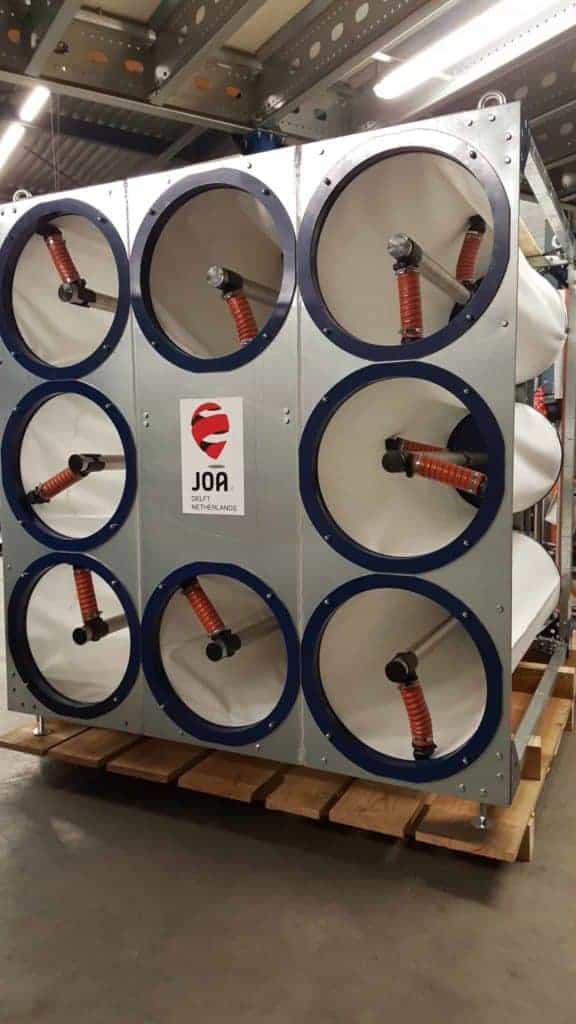
JOA designs for the full spectrum of plastic dust and vapor challenges using application-specific hoods, ATEX-rated filters, and robust ductwork that resists build-up from sticky, oily, or abrasive residues. Advanced modeling ensures minimum conveying velocities and proper filter media selection (including belt or ePTFE membrane filters for sticky dust). Fully ATEX-compliant systems address explosion risks with features like explosion panels, grounding, diverters, and DSEAR/ATEX zoning built-in from the start.
JOA solutions are engineered for a wide range of plastics: PA, PET, PBT, PLA, PC, ABS, PE, PP, PVC, PS, PMMA, POM, SAN, PTFE, PVDF, and more. Including blends and fillers like glass, carbon, or flame retardants. The system design considers particle characteristics, process temperatures, and any aggressive or odorous additives to avoid fouling or corrosion, and to ensure predictable uptime and capture efficiency.
Every system undergoes a full FAT (Factory Acceptance Test) before delivery, verifying airflow, control logic, ATEX safety features, and cutover procedures. Installation is phased and scheduled around your production, with prefabricated modules, containerized workshops, and careful tie-in strategies. Often during planned outages or process breaks. Temporary extraction ensures continued production when needed, and JOA provides complete commissioning support to achieve target performance before handover.
Absolutely. JOA’s systems are modular and scalable by design, with adjustable balancing restrictors and smart controls for future equipment, shifting emission points, or expanded capacity. Ductwork, extraction points, and filtration stations can be upgraded or reconfigured with minimal downtime, supporting plant evolution, new lines, and regulatory changes without major rebuilds.
Maintenance intervals depend on dust/vapor load and polymer type, but JOA typically engineers for long intervals between manual service, sometimes 6-12 months. Filter change and cleaning routines are tool-free and rapid, frequently with automated belt filters or accessible hatches allowing filter swaps in minutes. Condition monitoring and DP sensors help your team anticipate when maintenance is needed, reducing unexpected downtime and service costs.