
Chemicals
The chemical industry plays a vital part of the world economy. Side effects of manufacturing in the chemical industry, often entails the production of Toxic Waste, emissions, air pollution, CO2, Volatile Organic Compounds (VOC’s) and Noise Pollution. JOA is an expert in finding pollution control solutions and improving processes for Chemical manufacturers in the fields of Emission Control, Filtration, Explosion Safety, Healthy Work Environments, Energy Reduction & Recovery and Emission Limits & Legislation.
Handling Emissions effectively in the Chemical Industry
When manufacturing in the Chemical industry, a wide variety of polluting particles are processed or emitted. Chemical Dust and Fumes can be hazardous and need to be extracted properly.
Manufacturing in the Chemical industry includes handling processes with:
| Acetone | Ethanol | Polyolefins |
| Acids | EthyleneOxide | Polystyrene |
| Acrylamide | Fluorine | Potassium |
| Ammonia | Formaldehyde | Propylene |
| Anionic Surfactants | Glycerin | Resin/Rosin |
| Arsenic Dust | Isobuty lIsobutyrate | SiliconDioxide |
| Benzene | Magnesium | SodiumBicarbonate |
| Bromine | Methane | SodiumHydroxide |
| Butanedione | Methanol | Styrene (monomer) |
| Calcium | Nitrogen | Sulfur |
| Carbon | Phenols | Sulfur and Sulfates |
| Chemical Odor | Phosphorus | TitaniumDioxide |
| Chlorine | Polycyclic Aromatic Hydrocarbons (PAH) | Volatile Inorganic Compounds (VIC’s) |
| Cyanide | Polymers | Zinc Oxide |
| Methionine | PFAS | |
| Dye & Toner (used for printing, creating pigment waste) | ||
Next to the particles mentioned above, chemical applications may also include the production of:
-
Building Materials & Insulation
-
Detergents
-
Fertilizers
-
Insecticides and Crop Protection
-
Paint & Coatings
-
Pigments for the printing industry
-
Plastics
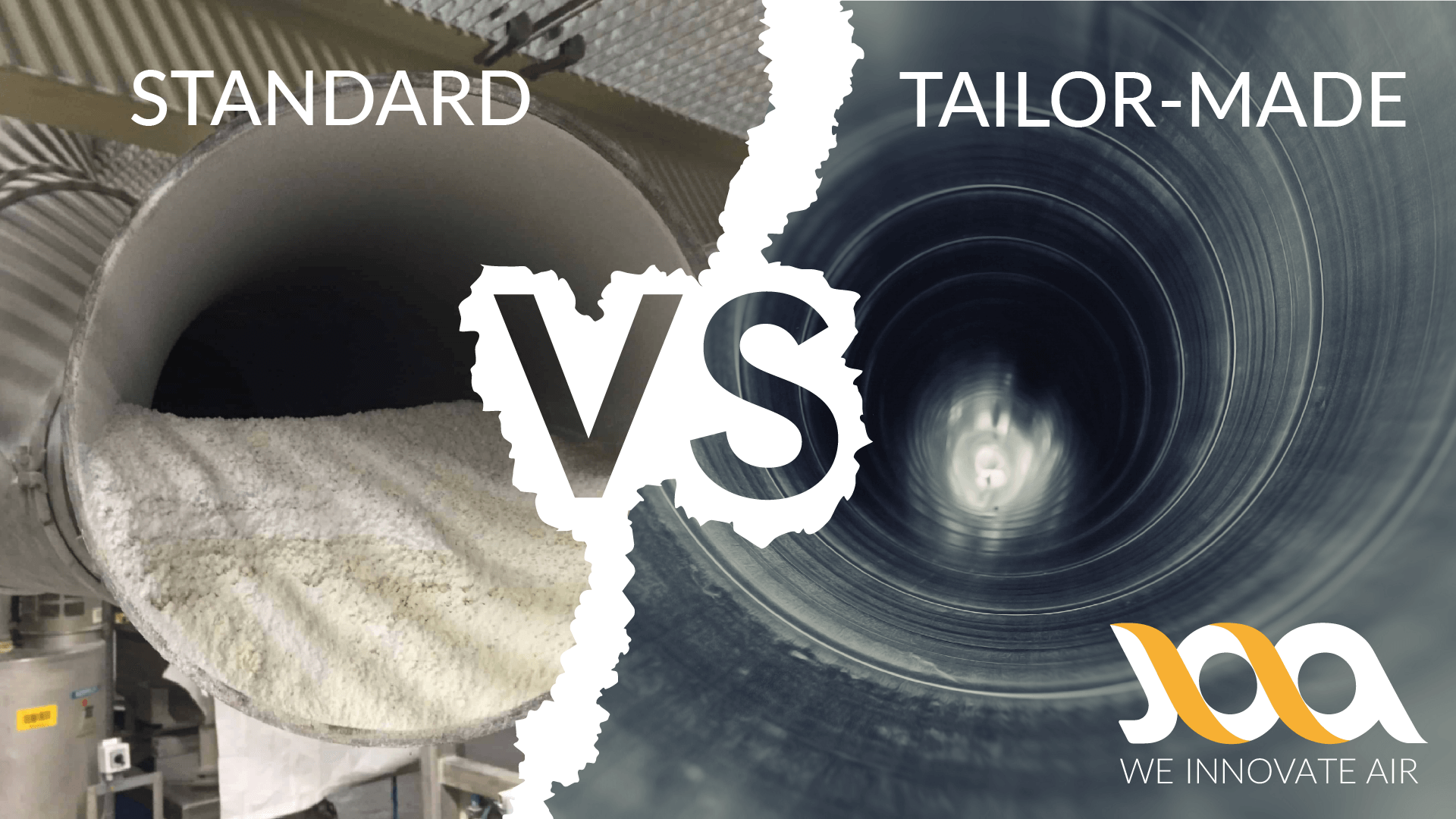
Read more about Filtration systems in our article:
Standard vs Tailor-made industrial filtration systems
Chemical Hazards created by Dust & Fumes
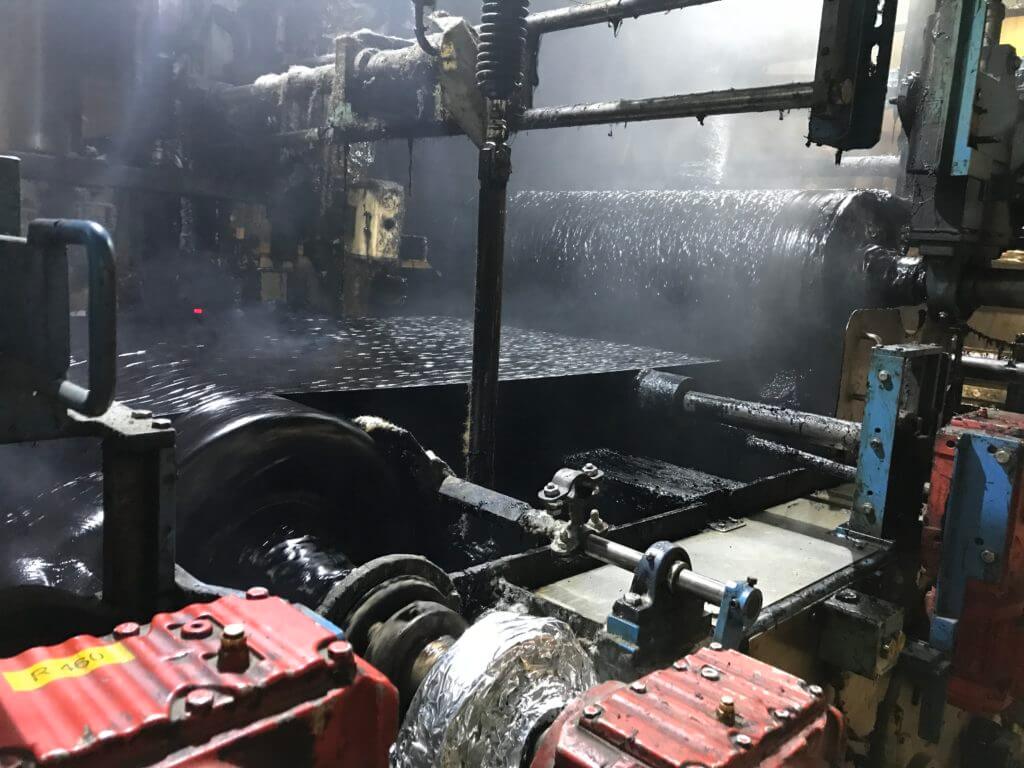
When manufacturing chemical products like adhesives, plastics, foams or raw materials, multiple batches may be mixed together creating dangerous emissions. Air quality may come to dangerous and toxic levels when your operators are exposed. Improving processes and safely capturing or containing airborne contaminants creates:
-
Ensuring a healthy and safe work environment
-
Prevention of cross contamination
-
Less housekeeping needed
-
Compliance to OSHA, NFPA, EPA and local legislation
-
Protecting your assets and the environment from harmful emissions
-
Saving time, energy and money with effective dust collection and vapor extraction
-
Reduction of GHG Emissions
How to create effective filtration of Chemical Emissions
Efficient operations rely on a steady performance, reliability and efficiency. A high quality filtration of air, dust and vapors is crucial to keep your work environment clean and healthy, reduce explosion risks and maintain your equipment in the best possible condition. To achieve your goals, we propose the following plan.
-
Data Collection & Measurements
We believe, no good decision can be made without data. It might be tempting to choose a ‘quick and dirty’ standardized solution. On the long run, truly understanding your site’s specific requirements is the foundation of Operator Health, Explosion Safety, Maintenance reduction and Energy Savings.
-
Consultancy & Design based on Modeling
Only data has no value. With our in-house developed Air Technical Modeling Software, we are able to truly understand your site’s operations and bottlenecks. Our Design Engineers have experience in finding the best solutions and improvements for the largest and most complex Chemical production sites worldwide.
-
Building & Implementation
No system is manufactured, before a thorough investigation and understanding of your product and process. Our wide portfolio of extraction and emission control equipment builds on a large database of patents and proven designs. In occasion, our R&D department stands ready to find innovative solutions and co-create new equipment.
Industrial Dust & Vapor Solutions for the Chemical Industry
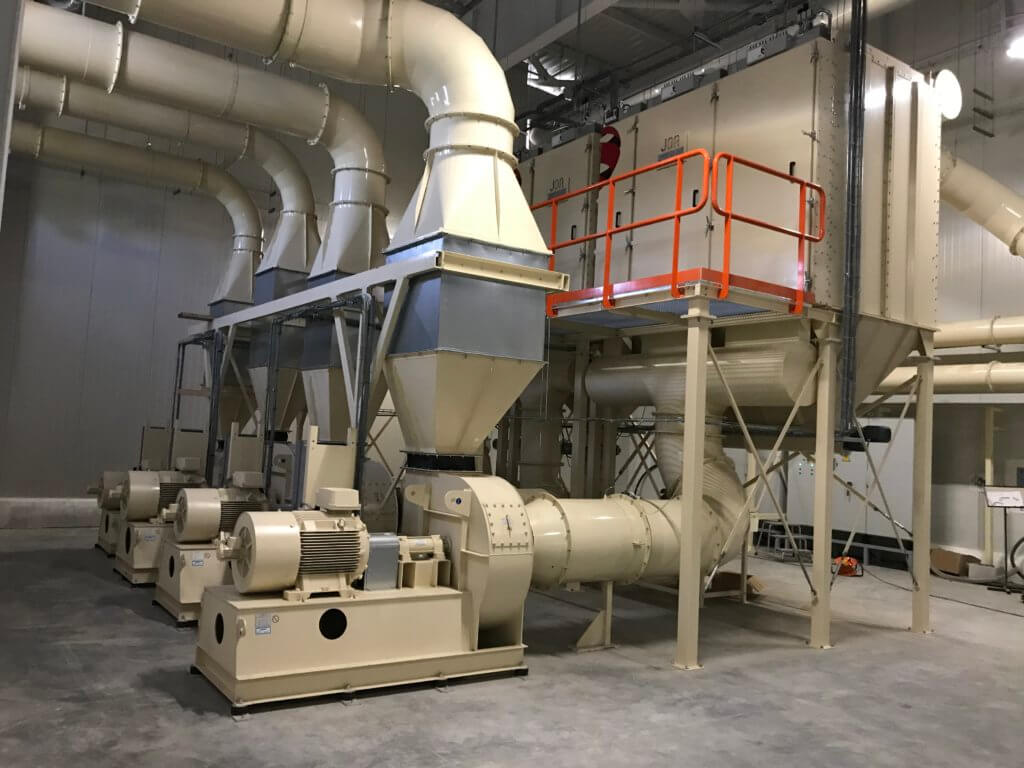
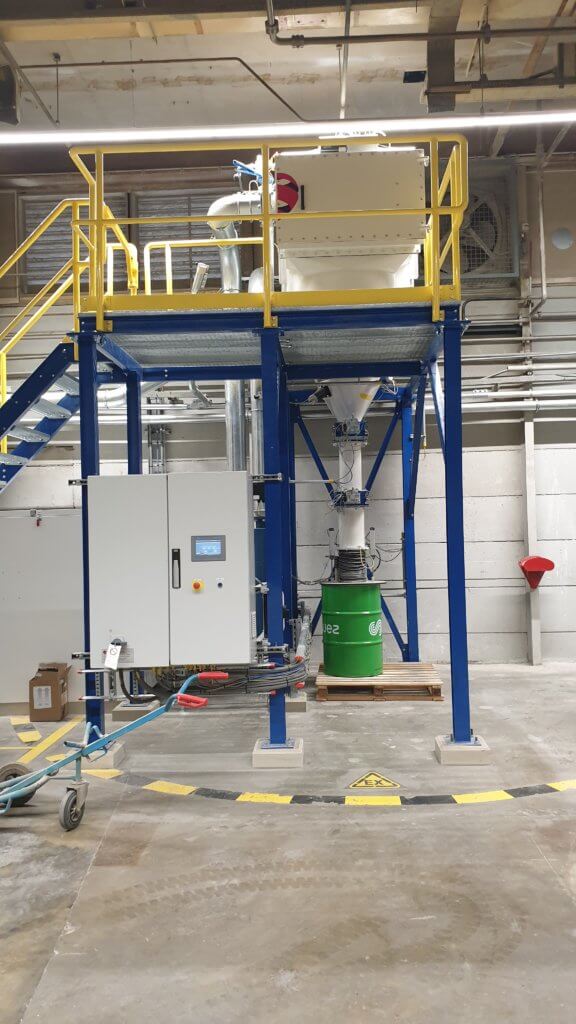
To maximize efficiency at large-scale production, JOA offers a wide variety of equipment, tailored to your specific site and process. All extraction systems are validated by Air Technical Modeling to guarantee future performance and ROI.
All solutions are designed with the greatest care for Product Recovery, Maintenance Reduction and Energy Efficiency.
Related Topics, Solutions and Products
Every industrial challenge is unique. Contact JOA to share your thoughts on where you would like to improve your process
We are always there to discuss your challenges. Our goal is to guide you on your path to high performance operations and Healthy & Safe environments.
Share your Challenge with us