Industry

Ingredients


01

Why Tailored Emission Control Matters in Ingredient Industry

In ingredient manufacturing, generic equipment and off-the-shelf systems often miss the nuanced hazards and performance variables unique to each plant. One-size-fits-all equipment can result in significant downsides, like: inefficient cleaning cycles, insufficient allergen segregation, uneven airflow and energy waste. Which results in multiple retrofit investments and unexpected downtime. JOA’s proven process diagnoses the root causes at your site, delivers tailor-engineered solutions correctly the first time and avoids costly repeat purchases.

Through data-driven design, thorough implementation and continuous optimization, we ensure your investment delivers lasting gains in:

Safe & Healthy Work Environment

Compliance with latest Legislation

Process Efficiency

Enhanced Product Yield

Waste Heat Recovery

02

Main challenges in the Ingredient Manufacturing

Ingredients industry operations face tightly interwoven technical, operational, and regulatory challenges that cannot be solved by off-the-shelf equipment alone. Key complexities include:

Downtime by Pipe Fouling: Accumulation of fine powders and viscous residues inside transport lines gradually constricts flow, causing pressure drops and even complete blockages; regular unplanned shutdowns become necessary to clear the buildup, cutting into production hours and increasing maintenance costs.

Hygiene & Frequent Cleaning: Stringent sanitary standards demand frequent clean‑in‑place cycles and periodic disassembly of equipment; each cleaning run requires flushing with hot water or detergents, sterilization holds and thorough drying, all of which interrupt continuous operation and reduce overall plant availability.

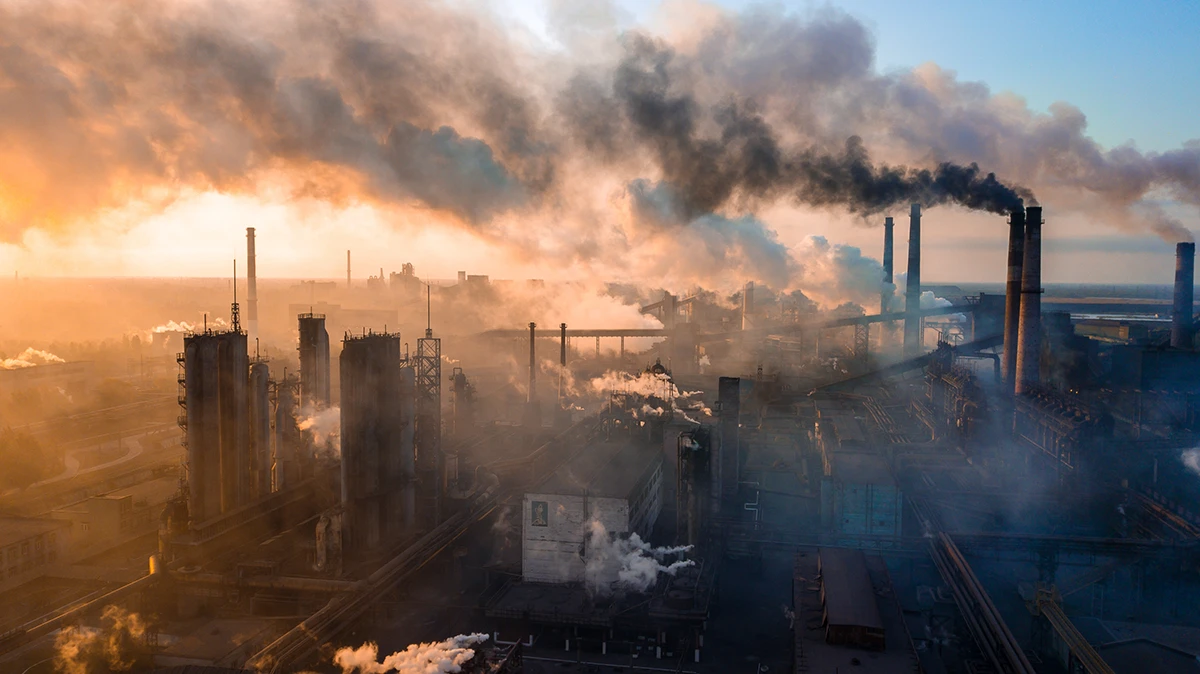
Polluted Waste Heat Streams: Exhaust air laden with sugar, starch or protein particles fouls heat‑exchange surfaces and carries odours or colourants that risk contaminating fresh process streams; filters and scrubbers are needed upstream, and even then the low‑grade, polluted heat often falls below the threshold for efficient recovery, wasting a valuable energy source.

Batch Production: Variable dust loads from batch drying and mixing cycles produce sudden surges in particulate that can overwhelm fixed‑capacity extraction systems; when airflow can’t ramp up quickly enough, dust-laden air may bypass filters or recirculate, increasing the risk of cross‑contamination between product batches and triggering unplanned shutdowns for cleaning.

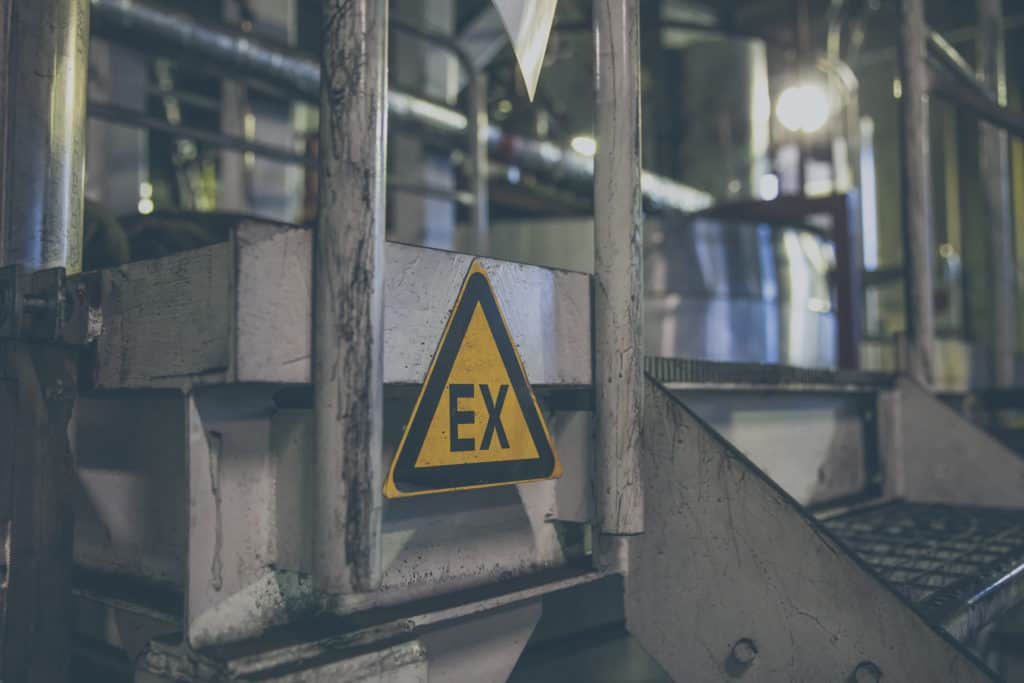
Explosion Safety & ATEX Compliance: Dust‑generating processes create potentially explosive atmospheres that must be classified into ATEX zones; only certified, explosion‑proof fans, motors and sensors can be installed in these areas, limiting equipment options, driving up capital expenditure and requiring regular zone re‑validation to stay compliant.

The processes we commonly see when these challenges occur are:

Mixing, Blending, and Flavor Dosing

Conveying and Transport of Bulk Powders

Weighing and Filling Operations

Thermal Processing (Drying)

Grinding, Milling, & Size Reduction

Packaging & Bagging

Silo Filling/Emptying & Bulk Storage

Cleaning

During ingredients manufacturing, a wide variety of airborne contaminants are generated. These include fine dusts from products, oily mists, and sticky or odorous vapors. Such emissions can pose health and safety risks, affect product quality, and require effective extraction solutions. Below are some typical substances encountered in ingredient production:

CategorySubstancesEnd Product
Fats and oilsVegetable oils, shortenings, butterfatCacao
EmulsifiersLecithin, mono‑ and diglyceridesMilk Powder
Stabilizers and thickenersXanthan gum, guar gum, carrageenanCheese Dust
Gelling agentsGelatin, pectin, agar‑agarProtein
Acidulants and pH regulatorsCitric acid, lactic acid, phosphoric acidSugar
PreservativesPotassium sorbate, sodium benzoatePancake Mix
AntioxidantsAscorbic acid, tocopherols, BHA, BHTSeasoning
ColorantsAnnatto, beta‑carotene, synthetic food dyesFlavors
Intense sweetenersStevia, sucralose, saccharinPolyols
Yeasts and fermentation culturesBaker’s yeast, probiotic culturesGrains
Vitamins and mineralsVitamin C, iron chelates, calcium carbonateBaby Formula
Dietary fibersInulin, cellulose, resistant starchStarch
Flavor carriers/solventsPropylene glycol, ethanolFlavors
Anti‑caking agentsSilicon dioxide, calcium silicateSpices and Herbs
Fillers or bulking agentsMaltodextrin, microcrystalline celluloseProtein & Creamers
Bleaching and maturing agentsBenzoyl peroxide, chlorine dioxideBakery Products & Baking Powder
03

Case Studies Ingredients Industries

Royal Avebe: Emission Reduction Through Pre-Engineering

Discover how JOA Air Solutions met Royal Avebe’s 20 mg/m³ particulate limit with on-site measurements, operator insights and advanced CFD simulations, and how our tailored solution enabled a seamless retrofit, proving why getting it right first matters in complex food-industry settings.

Read more about the project here
04

How does JOA solve Challenges in the Ingredients Industry

Efficient ingredient production requires reliable processes and strict air‑quality control. Robust dust and vapor extraction systems prevent cross‑contamination, protect sensitive products, ensure hygiene and manage allergens. They also reduce explosion risk and limit equipment fouling. Frequent product changes create variable dust loads, powder handling adds complexity and allergens raise the stakes. These challenges demand a tailored extraction solution, which is achieved with the following proven process:

Data Collection & Measurements: Every process step can release emissions. In the Pre‑engineering study we measure on site and observe each operation. We target feeders, weigh stations and transfer points. The data reveals exposure risks such as cross‑contamination, operator hazards and regulatory breaches. These findings guide the new system design.

Consultancy & Design: Raw data alone isn’t enough. Our in-house Air Technical Modeling (GCM™) and expertise allow us to visualize airflow, identify fouling hotspots, and map out cross-contamination risks. Our engineering team develops solutions that prioritize cleaning access (CIP/SIP) and material choices that meet ingredient safety standards (e.g., stainless steel, FDA-compliant plastics)

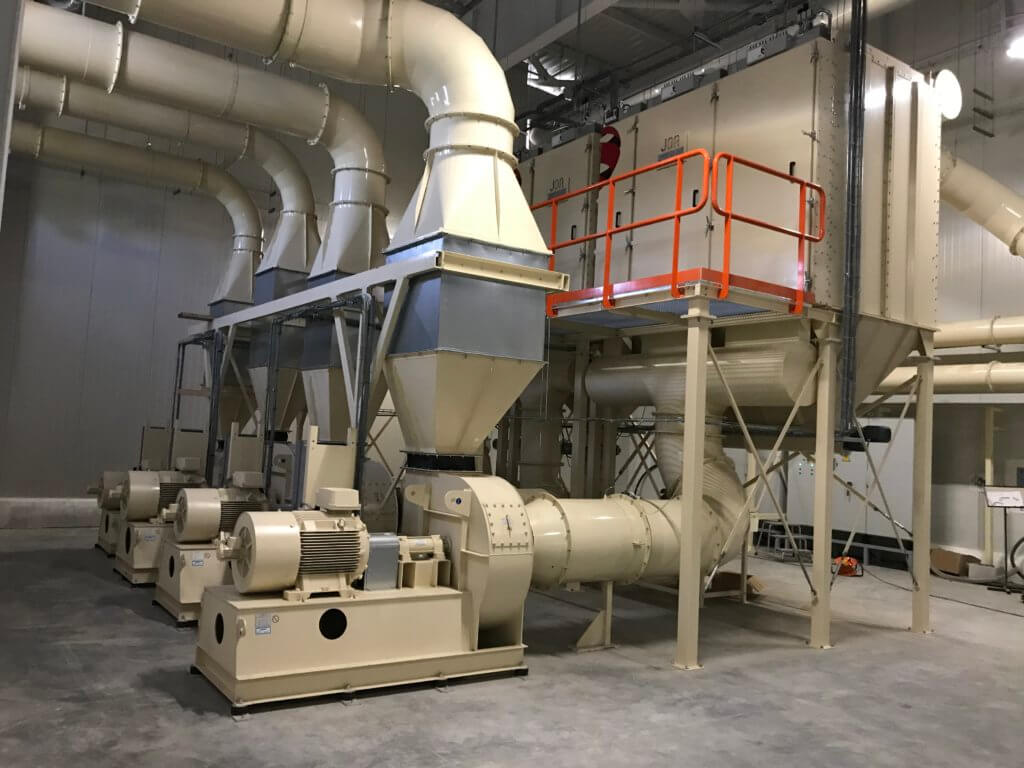
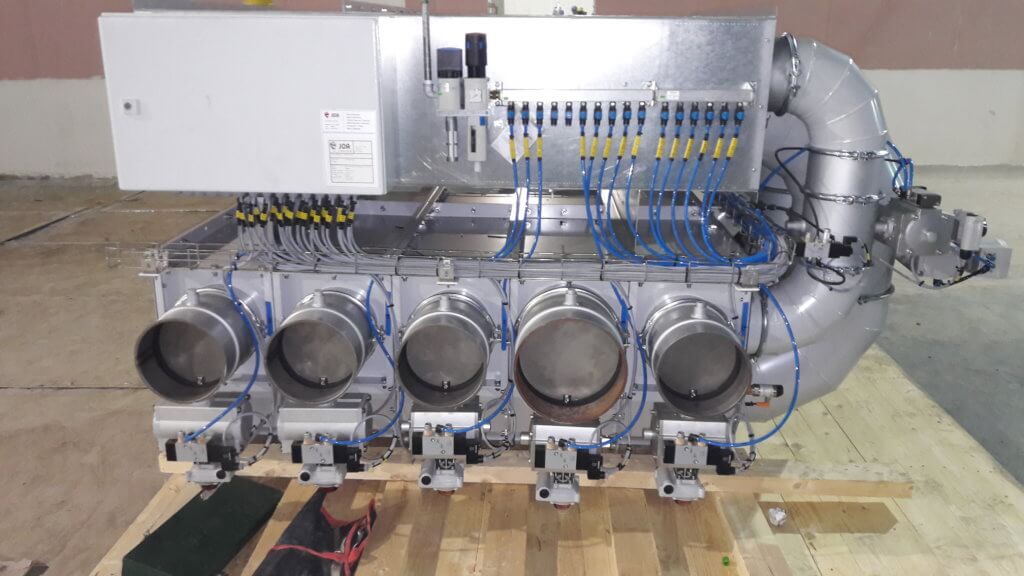
Building & Implementation: System realization begins with pre-fabricated assemblies that undergo factory acceptance testing (FAT) to minimize on-site installation time. Coordinated scheduling with plant maintenance reduces production interruptions while experienced project managers ensure seamless commissioning.

05

Why JOA is the Right Partner for the Food Industry

Partnering with JOA ensures ingredient producers meet strict hygiene and air‑quality standards. It safeguards product integrity, prevents cross‑contamination and supports consistent, high‑quality output.

Tailor-made Solutions

Developing customized systems that address the unique challenges of each client.  

Air Technical Modeling & CFD Analysis

Utilizing advanced computational methods to design efficient emission control systems.

Process Guarantees

Ensuring that implemented solutions meet performance expectations and regulatory requirements.  

Extensive Experience

A proven track-record of working with leading companies on complex industrial processes.    

In conclusion, effective emission control and dust collection are integral to the success of ingredients manufacturing. JOA’s expertise in providing tailored solutions ensures that companies can maintain clean and efficient operations, meeting the stringent demands of the industry.   

Contact us

Share your challenge

Plan a short 30 minute meeting with one of our engineers who have experience with manufacturers worldwide, and start improving your industrial process.

âś…Share details about your challenges

âś…We will review your challenge and plan a meeting

âś…Discuss what is happening at your site

Frequently Asked Questions

Ingredients Industry FAQ

Our systems use targeted extraction at contamination-prone points: like dumping, dosing, and transfer stations, combined with negative-pressure enclosures. The airflow is balanced and monitored to always move from clean to dirty areas, supporting allergen control and compliance with GFSI and BRC standards. Extraction hoods are designed for easy cleaning, and anti-migration measures (physical barriers, air curtains) further reduce risk of airborne ingredient transfer.

Yes. All wetted parts can be supplied in grade 304/316 stainless steel or FDA-compliant plastics, with smooth welds and radii to avoid material build-up. Systems can integrate cleaning-in-place (CIP) features, including automated spray-balls in filter housings and hygienic drain layouts. Where filter media are exposed to product or allergen, we offer food-grade, low-migration cartridges validated for repeated CIP cycles.

Our designs account for sticky and oily dust—using inclined hopper bottoms, anti-adhesive coatings, and filters with PTFE membranes to prevent blinding. For ATEX risks (low MIE / high Kst dusts), all relevant parts are certified, with explosion relief, flameless vents, and compliance to zone 20/22 as required. Components are fully earthed and integrated with detection/isolation in line with ATEX 114 and 137 directives.

Systems are modular with easily isolatable branches and changeover-optimized ductwork. Carrousel balancing technology adapts to changes in process loads or line expansions without system imbalance. Filter zones and hoods can be cleaned or swapped independently, supporting rapid, validated cleaning cycles and minimising downtime between batches with different allergen classes.

For fine, hygroscopic, or oily ingredient dusts, automated pulse-jet cleaning maximizes filter run-time. We design for easy disassembly and washdown access where manual intervention is needed. Typical main filter replacement is 6-12 months, but this can vary with dust type and loading; pressure monitoring and differential set-points allow you to optimize maintenance intervals. A cleaning validation protocol can be provided for regulated environments.

JOA uses pre-fabricated, FAT-tested modules to reduce on-site work. Detailed interface planning, phased tie-ins, and close alignment with plant maintenance schedules keep interruptions as short as possible. Commissioning is overseen by trained project managers.

Related Systems